

Shaped by the Land
Set within the natural beauty of the Credit River valley, Credit Valley Golf & Country Club has long been recognized as one of Ontario’s most distinctive private golf clubs.
Its story is one of continuity — of a landscape respected across generations, a course shaped gradually by gifted hands, and a community that has grown alongside both.
The River and its Name
Long before golf arrived in the valley, the Credit River served as a vital source of sustenance, trade, and connection for the Ojibway people who lived along its banks.
Trade with European settlers took place at the river’s mouth — furs, moccasins, and baskets exchanged for tools and goods. When an immediate exchange wasn’t possible, agreements were made on the promise of future delivery. That system of trust became known as credit, and the river took its name from it.
That relationship with the land — practical, respectful, and enduring — continues to inform the character of the club today.
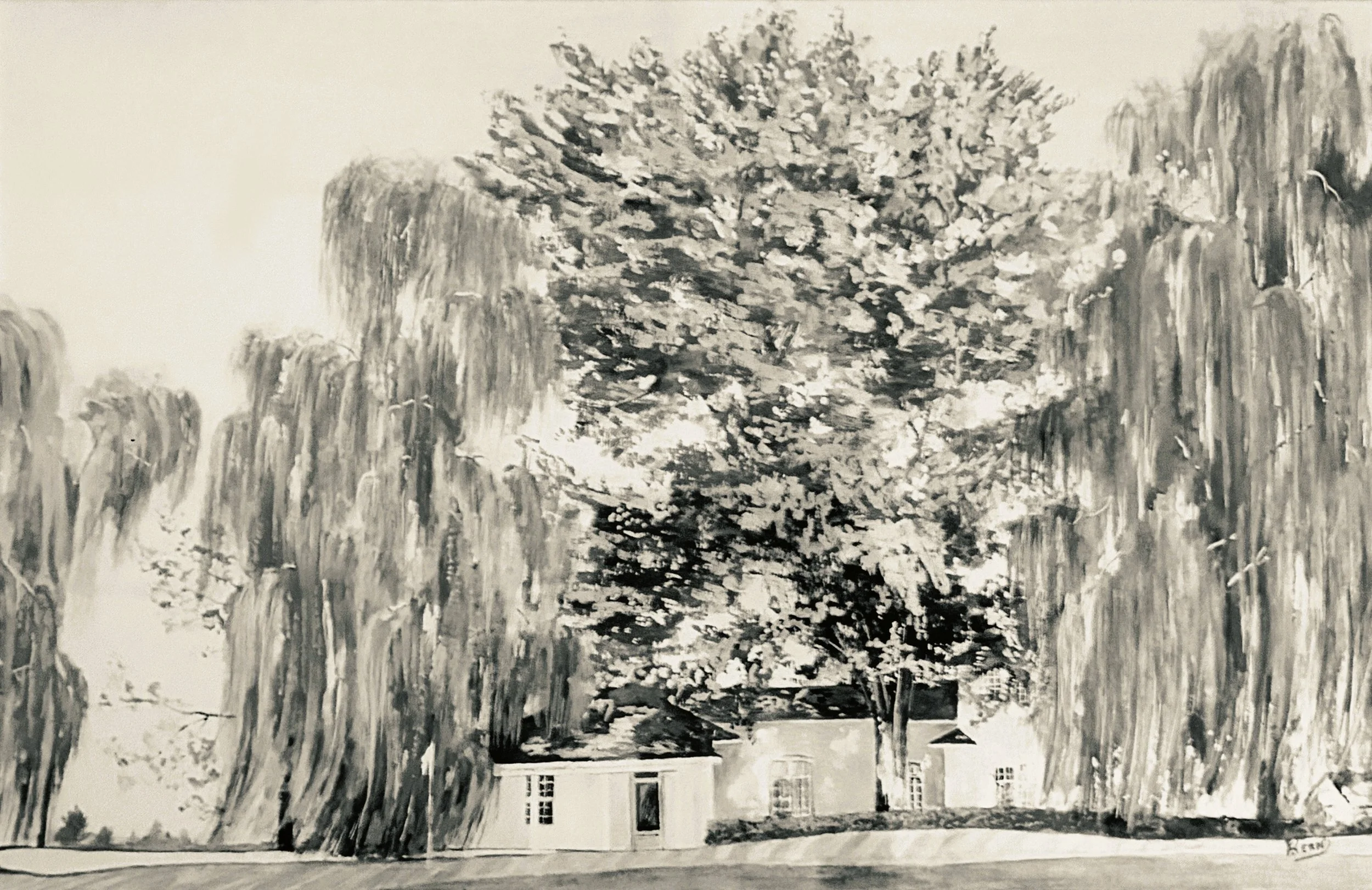
From Six Holes to Eighteen
Golf arrived in the valley in 1930, when Ontario’s Lieutenant Governor W.D. Ross commissioned six holes at his summer residence, The Willows, on land that now forms part of the driving range and parking area.
In the early 1930s, Arthur Price leased the facilities and engaged renowned Canadian architect Stanley Thompson to rework the original holes and expand the course to nine. Working alongside Thompson was Robbie Robinson, a name that would return, decades later, to shape the next chapter.
By 1954, the course had grown to a full eighteen holes. In the late 1950s, Credit Valley formally became a private membership club and has remained one ever since.
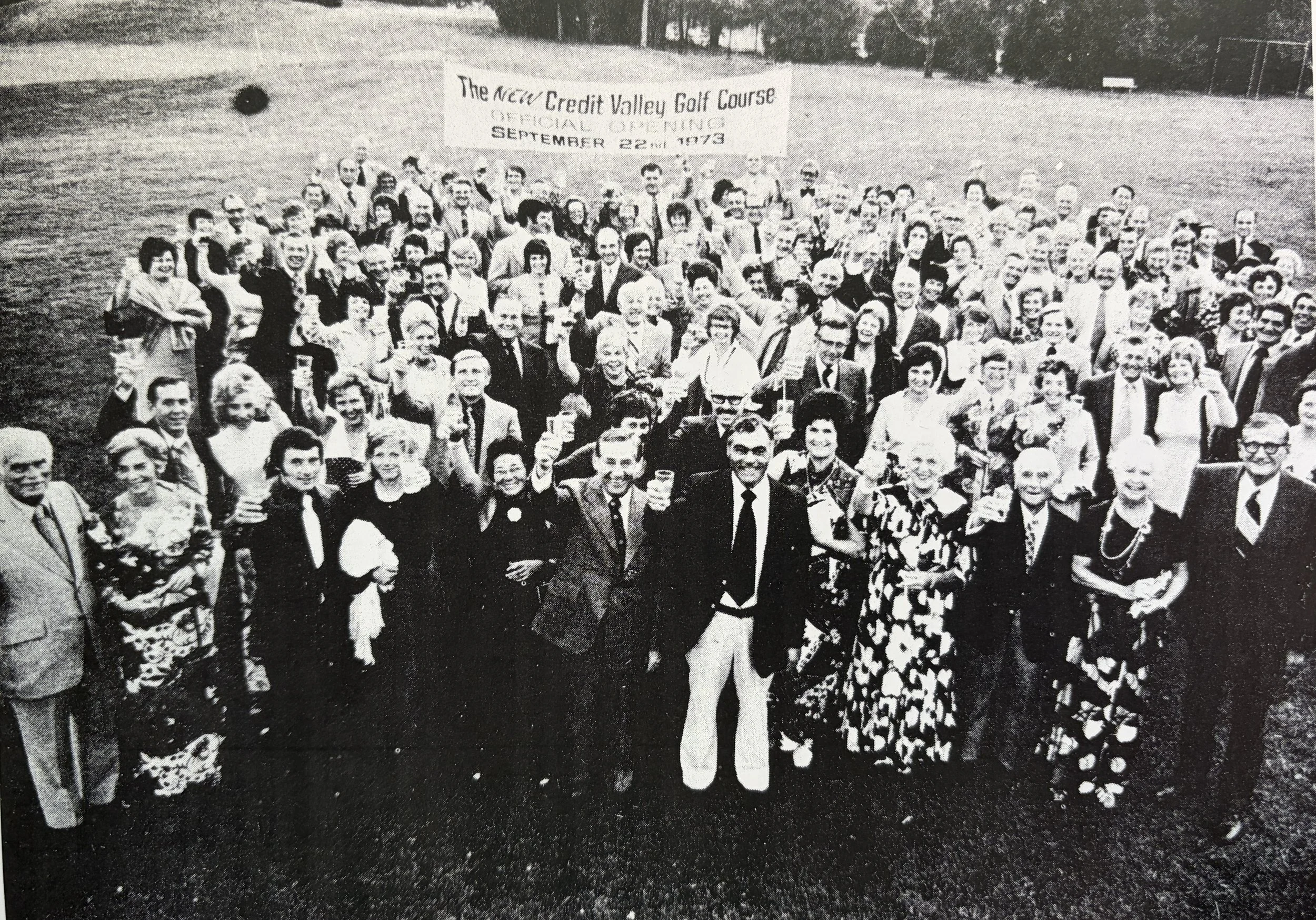
A Generational Commitment
In 1969, the club made a decision that would define everything that followed: it purchased the valley lands outright.
This allowed the course to be reconfigured in a way that fully embraced the natural terrain. To guide that transformation, the club turned to Robbie Robinson, by then an internationally respected architect, who remarked that he had rarely encountered a more naturally perfect setting for golf than the Credit River valley.
The layout members play today is the one Robinson shaped from the land itself.

The Next Chapter
That architectural lineage continues today.
Credit Valley has engaged Whitman, Axland & Cutten (WAC), working in collaboration with golf course architect Christine Fraser, to guide the next phase of the course’s long-term evolution. Like those before them, their approach is one of discipline and restraint, shaping the course in harmony with the valley, not imposing upon it.
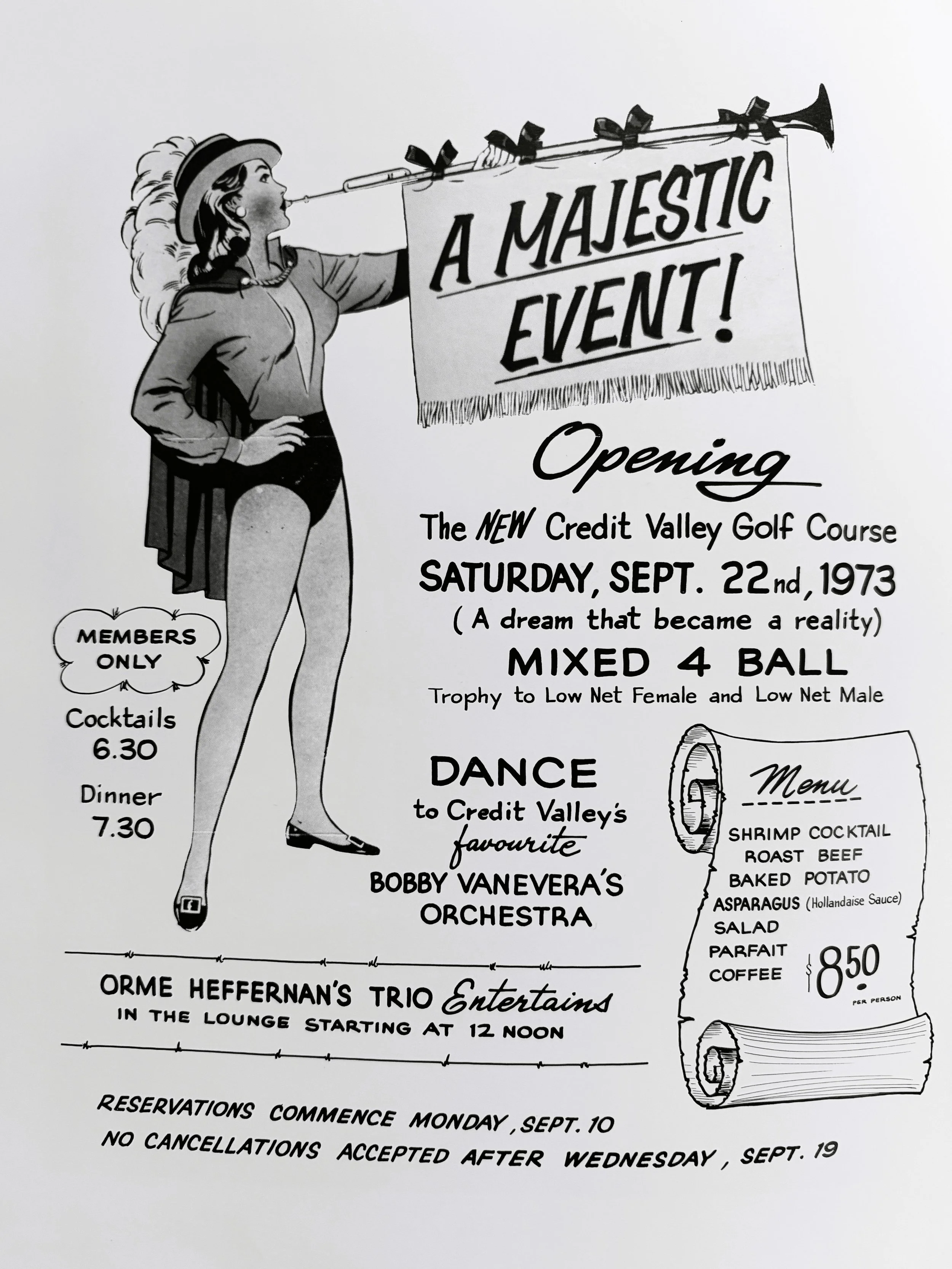
A Club Nearly a Century in the Making
Pre-1930
Ojibway stewardship of the Credit River valley — hunting, fishing, and trade along the river's banks.
1930
Ontario Lieutenant Governor W.D. Ross constructs six holes at his summer residence, The Willows.
1934
Arthur Price leases the property. Stanley Thompson engaged to redesign and expand to nine holes.
1954
Course completes its expansion to eighteen holes.
Late 1950’s
Credit Valley formally becomes a fully private membership club.
1969
Club purchases the valley lands outright. Course reconfigured to follow the natural terrain.
1970’s
Robbie Robinson, a former Thompson associate, returns to guide course development.
Today
Whitman, Axland & Cutten (WAC), with Christine Fraser, guide the next chapter of the course's evolution.

Credit Valley’s history is not preserved behind glass.
It is carried forward by the land, by the membership, and by a shared commitment to the game and the valley that has always defined it.